

Rewriting the Rules: UCSF Leads Safer Pediatric Bone Marrow Transplants
For decades, a pediatric bone marrow transplant (BMT) has been one of the most powerful tools in medicine — a curative therapy for cancer, immune disorders, and more. But it is also one of the most intensive, high-risk procedures a child can undergo.
UCSF’s Department of Pediatrics is transforming that reality. Through world-leading innovations, the UCSF Pediatric BMT Program is redefining what’s possible – not just curing diseases, but by making the cure itself safer, smarter, and more personalized.
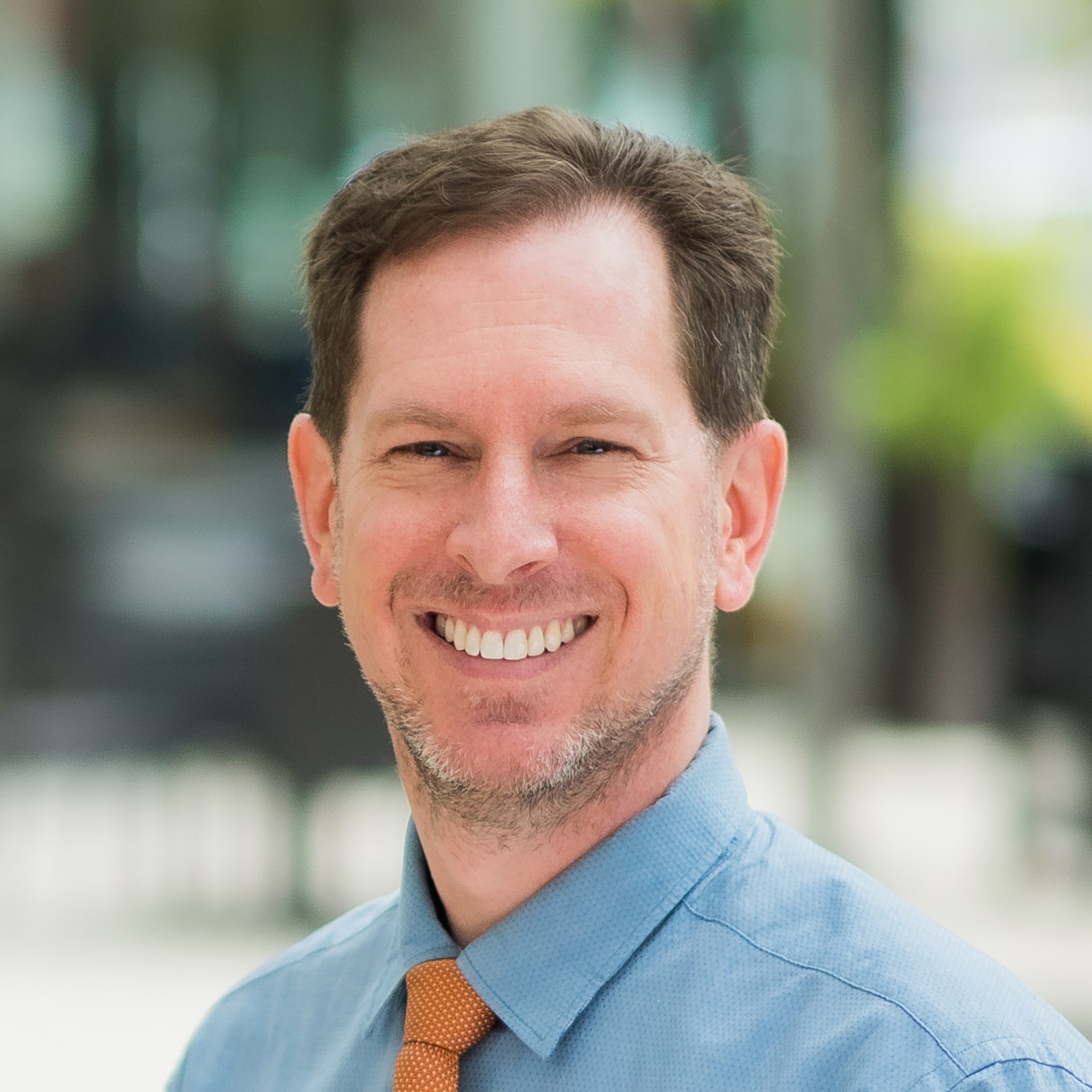
“Our focus on innovation is why the UCSF BMT Program has some of the best outcomes in the country,” says Chris Dvorak, MD, chief of the UCSF Division of Pediatric Allergy, Immunology, and BMT. “Our team is relentless in asking: How can we make this better for every child who comes to us?”
That drive has led to a fundamental shift in how UCSF approaches the transplant process.
Rethinking the Perfect Donor
For children with leukemia, transplant centers traditionally prioritize finding the safest donor, typically a matched sibling, even if that donor offered a weaker immune response to the cancer. To compensate, doctors use the highest possible doses of toxic chemotherapy and radiation to wipe out the disease.
"At UCSF, we have completely flipped this paradigm," Dvorak explains. "We use the donor with the strongest disease-fighting effect — a haploidentical (half-matched) donor. We then optimize the conditioning to make it so that this donor is just as safe as a matched sibling."
This approach harnesses the power of the immune system while minimizing harm. "This results in very low relapse rates while minimizing short- and long-term toxicities as much as possible," says Dvorak.
Pioneering Personalized Chemotherapy
The key to making this new paradigm work is optimizing the chemotherapy used to prepare the body for the transplant. At most centers, these regimens remain “one-size-fits-all,” even though children metabolize medications very differently.
The intensity of this generalized approach, however, is the "lynchpin of most transplant-related complications," according to Dvorak.
UCSF is a world leader in solving this problem. The program was the first center in the world to deploy personalized, precision dosing for multiple conditioning drugs, including fludarabine and melphalan, and the first in the US for others. The team also identified which conditioning agents are most frequently responsible for post-transplant complications, enabling safer combinations.
This cutting-edge work, driven by a close collaboration with co-appointed faculty from the UCSF Department of Pharmacy Janel Long-Boyle, PharmD, PhD, tailors the drug dosage to each child’s unique metabolism, health, kidney function, and more. This innovation is already paying dividends with safer, more effective transplants.

Reducing Radiation
Most centers rely on total body irradiation (TBI) as a standard part of leukemia treatment. While effective at clearing cancer cells, this radiation therapy comes at a steep long-term cost and can lead to secondary cancers, hormonal problems, and cognitive issues.
UCSF has proven there is a better way. Through its optimized conditioning protocols, the program has cut the use of TBI by about 90% without sacrificing efficacy. This dramatic reduction sets a new standard for safety, protecting childhood cancer survivors from serious complications later in life.
Leadership in Rare Diseases
The impact of UCSF's innovative BMT model both improves how patients are treated and expands who can be cured.
The program has been the lead site of the Primary Immune Deficiency Treatment Consortium (PIDTC) since its inception in 2009, helping to steer the national direction of research for children with inborn errors of immunity, a group of rare genetic disorders that leave the body vulnerable to life-threatening infections.
The team is also recognized as the most experienced center on the West Coast for treating inborn errors of metabolism. A leading 2025 report details UCSF's role in incredible BMT outcomes for Morquio syndrome, a devastating condition that many other centers felt was not severe enough to warrant the high risk of a standard BMT.
UCSF's safer, more effective protocols changed that risk/benefit calculation, offering a cure to children who were previously told it wasn't an option.
This relentless drive to innovate is how UCSF is redefining the future of BMT. For Dvorak and the Division of Pediatric Allergy, Immunology, and BMT, providing the best possible outcomes to patients is just the starting point for the next breakthrough.