
PLUS: Pediatric Leaders Advancing Health Equity
A three-year, cohort-based pathway for residents committed to health justice with communities, for children and families.
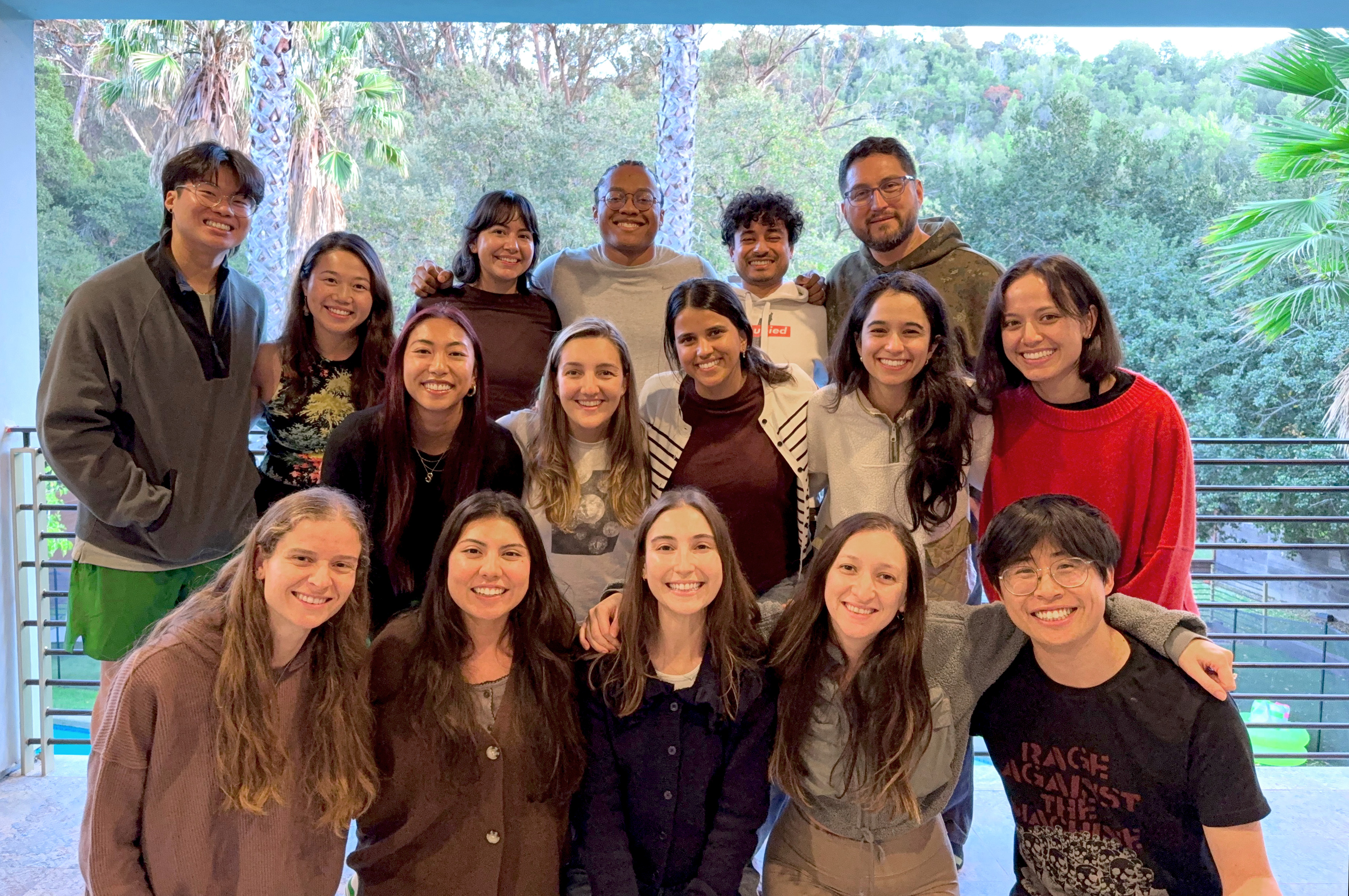
Apply to PLUS
PLUS matches five residents each year. Use NRMP code 1062320C3 and submit the required supplemental essay. Many candidates interested in PLUS apply to both PLUS and the UCSF Categorical Pediatrics Program.
A Message From the Director
“If you are committed to justice in our health systems and communities, we are looking for you. Join us in this mission towards ensuring that all children are healthy and thriving!”
Raul Gutierrez, MD, MPH
Director, PLUS | Clinical Professor of Pediatrics
Welcome to PLUS. We believe pediatricians can do more than respond to inequity: they can work with communities to change the clinical, organizational, and policy systems that shape children’s lives.
Across three years, residents build the relationships, critical consciousness, leadership range, practical skills, and sustaining community needed to advance health justice. We invite applicants who bring curiosity, humility, imagination, and a commitment to shared action.
View Welcome Message From Raul
Founded in 2004. Built for the work ahead
PLUS is a pioneering model that integrates outstanding pediatric training with leadership development, structural competency, community engagement, and systems change that address health inequities.
Vision, Mission, and Core Values
Vision
Advance health equity so that all children and their communities are thriving.
Mission
Equip pediatric residents with varied backgrounds and experiences to become changemakers who advance health justice with communities, for children and families.
Core Values
| EQUITY | We address structural barriers and direct resources, opportunity, and power toward children and communities most affected by inequity. |
| RADICAL IMAGINATION | We question what is treated as inevitable and envision liberatory futures grounded in community wisdom. |
| INTEGRITY | We align our actions with our values, examine impact, and remain accountable for follow-through and repair. |
| COMMUNITY-CENTERED | We listen first, build reciprocal relationships, and follow community-defined priorities. |
| LIBERATION | We work toward systems in which children, families, and communities have the conditions, agency, and freedom to thrive. |
How PLUS Prepares Residents to Lead
PLUS is an integrated learning ecosystem that connects protected curriculum time, clinical care, community-engaged projects, mentorship, cohort belonging, and an alumni network. Residents move through experience, reflection, dialogue, and action towards transformative learning.
Curriculum Components
| Health justice & structural competency | Leadership & professional formation |
| Community engagement & design | Advocacy & public narrative |
| Reflection & sustainability | Clinical and project application |
What Graduates Are Prepared to Do
-
Provide excellent, structurally responsive clinical care and mobilize health-system and community resources.
-
Analyze power, history, policy, and systems—and connect understanding to collective action.
-
Build inclusive, reciprocal collaborations across clinical, community, organizational, and policy settings.
-
Co-design, implement, evaluate, communicate, and responsibly sustain or hand off health-equity initiatives.
-
Lead with self-awareness, humility, imagination, integrity, and practices that support a lifetime of health-justice work.
Trainees: Check out our current trainees
The PLUS Three-Year Structure
Six weeks of PLUS curriculum each year—Summer, Fall, and Spring— plus Continuity Clinic based at the Children’s Health Center at Zuckerberg San Francisco General.
| Year | Summer | 2 Weeks | Fall | 2 Weeks | Spring | 2 Weeks |
|---|---|---|---|
| R1 | Foundations I: structural competency, adaptive leadership, community engagement principles, and asset mapping. | All-cohort learning, community-building. | Foundations II: design thinking, radical imagination, and advocacy. Applied skills and project scoping |
| R2 | Project design and early implementation. Career exploration. | Social-justice deep dive. The thematic deep dive repeats on a three-year cycle, so residents encounter distinct movements and strategies. | Advanced skills, experiential learning, and project development. |
| R3 | Project completion and evaluation. Career transition. | Project Praxis Studios, peer-mentoring | Advanced skills, experiential learning, and project development. |
The Summer 2-week block is integrated into your Z-block (continuity clinic block). The all-cohort Fall curriculum follows a three-year thematic cycle. R2 and R3 residents participate together in a Spring curriculum that follows a two-year cycle.
From a Meaningful Question to Action
Every PLUS resident completes a longitudinal project addressing health equity with a substantive community-facing component. A project may elevate patient voice, be delivered in a community setting, partner with a community-based organization, strengthen clinical systems, or advance advocacy and policy. Partnership quality matters more than project size.
| Year and Stage | Guiding Approach | Project Progression |
|---|---|---|
| R1 • Explore and scope | LISTEN BEFORE SOLVING | Explore neighborhoods and community assets, examine evidence and systems, build faculty and community relationships, and develop a focused, feasible, community-facing project concept. |
| R2 • Co-design and test | COLLABORATION AND PROTOTYPING | Confirm the project aim with partners, develop the project and evaluation plan, analyze systems and power, prototype and test an intervention, gather feedback, and revise. |
| R3 • Implement, learn, and steward | RETURN VALUE AND LEARNING | Advance the project, evaluate its contributions, interpret learning with partners, return an accessible product to the community, and plan for sustainability, responsible handoff, or closure. Residents present their work at Grand Rounds. |
What Collaboration With PLUS Can Look Like for Community Partners
-
Co-defining a question grounded in community priorities and existing work.
-
Serving as a co-educator, advisor, site host, project partner, or mentor—with clear roles, authority, and recognition.
-
Providing feedback on design, measures, communication, interpretation, and what should be sustained, adapted, handed off, or stopped.
-
Receiving an accessible product or return of learning
A Typical PLUS R1 Week
What protected time makes possible
Residents can step out of the urgency of clinical training to study systems, build relationships, practice new skills, develop projects, receive coaching, and reconnect with what anchors you to medicine.
| Day | PLUS Activity |
|---|---|
| Monday | Welcome to PLUS: Program Mission, Values, and Community-Building — Introduction to the program, cohort relationships, shared expectations, and reflection on residents’ values and motivations. |
| Tuesday | Grand Rounds and Structural Competency — Participate in ZSFG Grand Rounds, followed by a workshop examining how social, political, and institutional structures shape child health and clinical care. |
| Wednesday | Adaptive Leadership and StrengthsFinder — Explore personal leadership strengths and practice distinguishing technical problems from adaptive challenges. |
| Thursday | Social Movements and Community Organizing — Learn from the Women of the Black Panther Party and explore community organizing, movement history, art, and health through an experiential visit to the Oakland Museum of California. |
| Friday | Art, Public Narrative, and Social Change — Participate in a guided exploration of the Clarion Alley Mural Project and examine how public art can communicate community histories, challenge dominant narratives, and support collective action |
Illustrative schedule: specific topics, community partners, site visits, and activities change from year to year. The learning rhythm remains consistent—understand, experience, reflect, act.
Each day generally includes one primary PLUS learning experience. The remainder of the day is reserved for longitudinal project work, continuity clinic, or other scheduled Z-block activities, depending on the block.
Mentorship, Sponsorship, and the PLUS Network
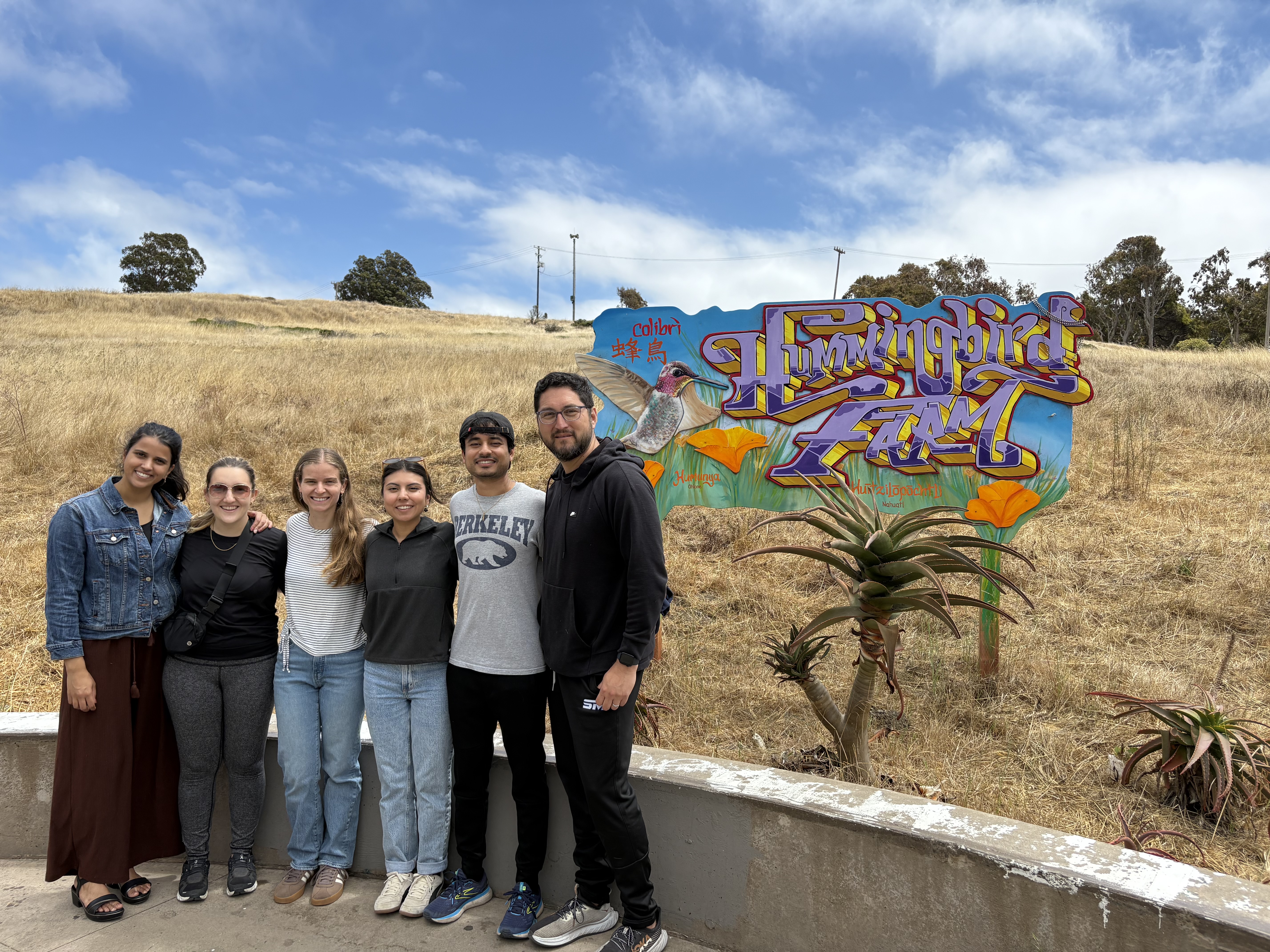
Our residents, graduates, and faculty consistently tell us that the best things about PLUS are the wonderful community and network.
PLUS uses a layered mentoring model. Residents are assigned to a support pod and build relationships with faculty, peers, and alumni. You will also learn and grow through interactions with project advisors, community leaders, artists, organizers, advocates, and policy practitioners. No single mentor is expected to meet every need.
| Faculty | Longitudinal advising, theory-to-practice coaching, clinical integration in continuity clinic, project guidance, feedback, and sponsorship. |
|---|---|
| Peers + Pods | Cross-year learning, belonging, peer coaching, accountability, shared problem-solving, and collective care. |
| Alumni | Near-peer pathways, career coaching, introductions, mentorship, sponsorship, and a community of practice. |
| Community Leaders | Community knowledge, accountability, lived and professional expertise, co-teaching, partnership guidance, and expanded ways of leading. |
Learn more about PLUS Faculty
A Network With Reach—and Continuity
Since 2004, PLUS has graduated more than 100 pediatricians. Alumni in California and across the country lead in clinical care, public health, policy, research, education, community partnership, advocacy, and health-system transformation.
Learn more about our PLUS graduates
The network is not only an outcome of PLUS; it is part of how PLUS works. Repeated encounters help residents imagine possible careers, access mentors and sponsors, share knowledge across cohorts, and sustain health-justice commitments beyond a single project or training program.
Ready to Apply? Let's Build Something Together.
How to Apply
Apply to the PLUS Program using NRMP code 1062320C3. PLUS matches five residents per year. Applicants must submit a supplemental essay describing their interest in PLUS. Because PLUS shares many core educational experiences with the UCSF Categorical Pediatrics Program, many applicants interested in PLUS apply to both programs.