

Most Ear Infections Clear Up Without Antibiotics – But Which Families Get Offered That Option?
For years, national guidelines have recommended "watch and wait" for many children with ear infections because nearly 85% resolve on their own without antibiotics. But whether practice follows that guidance has been surprisingly hard to see.
Rather than starting antibiotics immediately, families with milder cases receive a safety-net antibiotic prescription (SNAP) and are advised to fill it only if their child's symptoms don't improve after a day or two. Even so, ear infections remain the most common reason children receive antibiotics.
Because electronic health records don't distinguish between delayed and immediate prescriptions, health systems have had little way to measure how often this approach is used, whether it reduces antibiotic use, or where it can be improved.
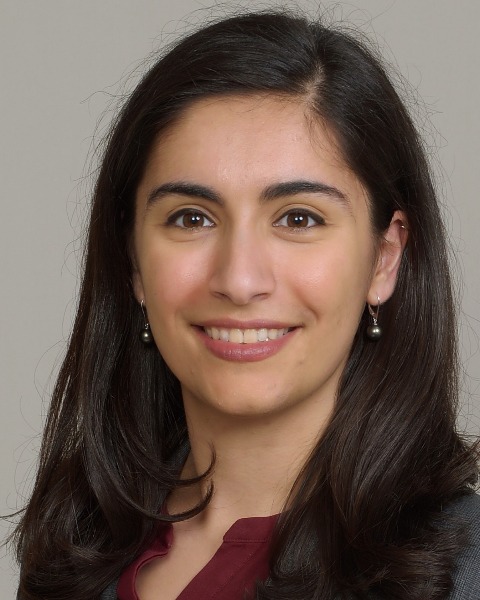
UCSF pediatrician Jessica Pourian, MD, is using large language models to analyze thousands of chart notes and answer these questions.
What the Chart Notes Reveal
In a new study in BMJ Health & Care Informatics, Pourian and colleagues analyzed more than 4,000 pediatric ear infection visits. Roughly one in four resulted in a SNAP, but the approach wasn’t offered equally.
Children from non-English-speaking households and lower socioeconomic groups were less likely to receive one, and larger language gaps were observed in the emergency department. Because the study didn't capture illness severity or eligibility, it can't fully explain the differences.
“Some of this is likely appropriate. A younger or sicker child in the emergency department often does need antibiotics right away,” says Pourian. “But we can’t assume that accounts for all of it. The differences by language and socioeconomic status are exactly where we should be looking to make sure all families are offered watch and wait if it is appropriate.”
Among families offered watch and wait, 66% filled their prescriptions, compared to 77% for prescriptions meant to start immediately – suggesting reduced antibiotic use as intended. Fill rates for SNAP prescriptions were also largely consistent across demographic groups. The disparity isn't in how families respond to the option; it's in who gets offered it in the first place.
“Because fill behavior varied little once a prescription was offered, we believe that concerns about a family’s understanding or access shouldn’t discourage clinicians from offering delayed prescriptions,” says Pourian.
Reading Thousands of Charts Without Reading Thousands of Charts
Previously, studying delayed prescriptions meant a labor-intensive manual review of chart notes. “Nobody wants to read thousands of charts about acute otitis media,” adds Pourian.
Instead, the team used Versa, UCSF’s HIPAA-compliant large language model, to analyze free-text notes and answer a single question: was the antibiotic meant to start now, or only if symptoms persisted? Checked against physician review, Versa classified the notes correctly 98% of the time.
“Many important clinical questions have been difficult to answer because the information exists only in free-text notes,” says Pourian. “What's exciting is that a general-purpose large language model can make that information measurable, opening the door to improving many aspects of care that were previously hidden in the medical record.”
From Research to Better Care
At UCSF, the findings are already changing practice. Pourian's ear infection project has grown into a quality improvement initiative, and the team is building an electronic health record tool that brings together the recommended treatment plan, delayed prescription, and family education – in the family’s preferred language – all in one place.
"It has been incredibly rewarding to see this project move beyond research – from an idea three years ago to something our residents are using in clinic every day," says Pourian. "We’re building clinical tools that help providers offer watch and wait to all families when appropriate, making it easier to put the evidence into practice.”
The team will keep tracking delayed prescription trends, watching whether the gaps close – and whether fewer children end up taking antibiotics they never needed.