

Tackling Pediatric Asthma Where It Lives: A Community-Connected Model
For children with severe asthma, symptoms can quickly disrupt daily life, leading to repeated emergency visits, interrupted sleep, and missed school and activities.
The UCSF Severe Asthma Program is designed to address the clinical and environmental factors that make asthma difficult to control. Led by the Division of Pediatric Pulmonary Medicine, the program integrates advanced care with home- and community-based interventions tailored to the practical challenges families face.
Designing Asthma Care Around Real Life
The program serves thousands of children across the greater Bay Area, including many referred for severe asthma after repeated emergency visits, hospitalizations, or prolonged absences from school. For many families, managing asthma means balancing medications, school schedules, caregiver work routines, and environmental exposures that can quickly trigger symptoms.
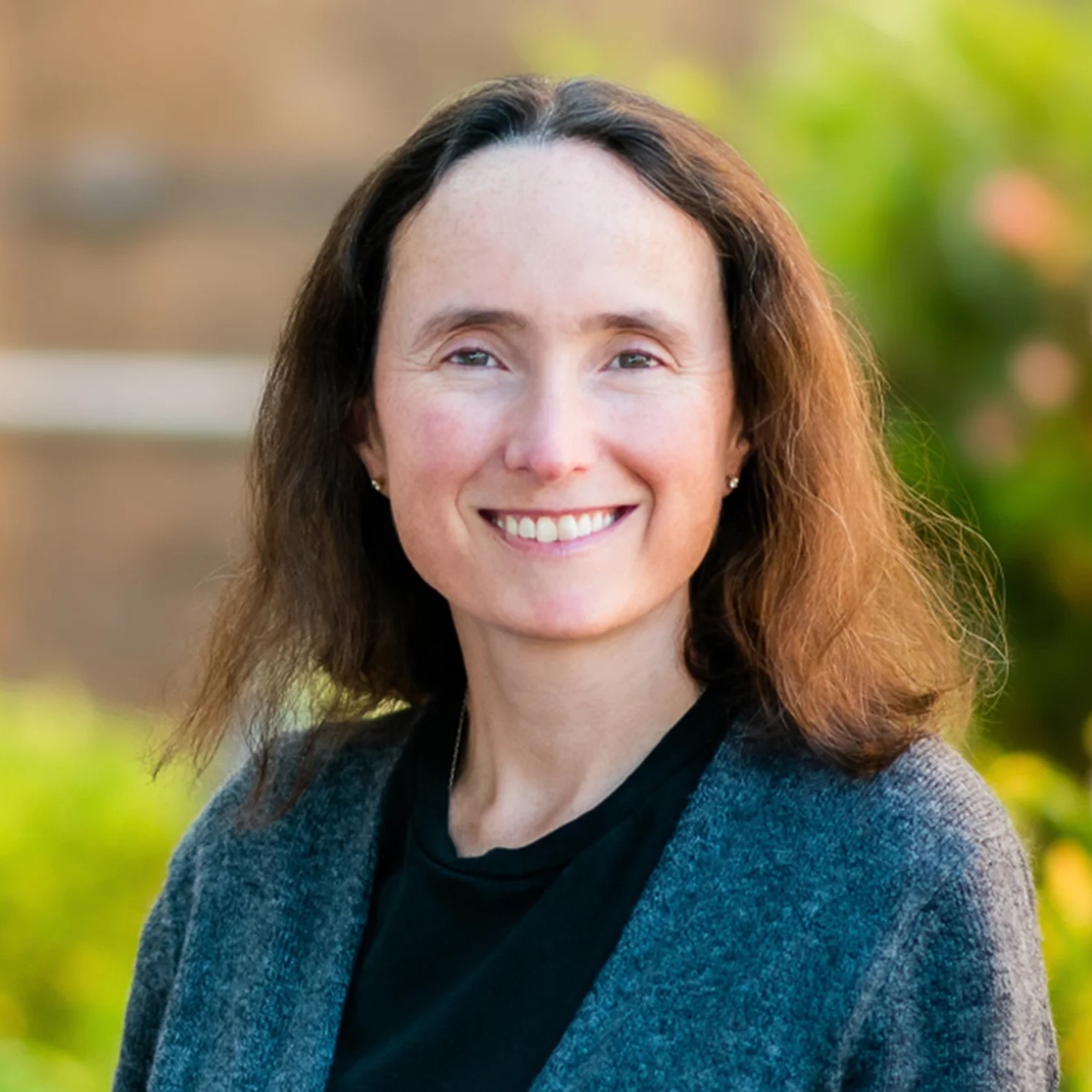
“If a treatment plan doesn’t fit into a family’s routine, it won’t work long-term,” says Elizabeth Gibb, MD, a pediatric pulmonologist at UCSF. “Our approach to asthma care takes into account what’s happening at home, at school, and in the neighborhood.”
Addressing the Conditions Around Asthma
Environmental factors, including housing-related triggers such as mold or secondhand smoke, can make asthma harder to control and increase the risk of severe exacerbations.
The pediatric asthma team incorporates these factors directly into care. Through a partnership with Asthma START in Alameda County, families receive in-home assessments and targeted interventions to reduce exposure. Programs like Asthma START have been shown to reduce emergency department visits by more than 50% and hospitalizations by up to 80%.
Collaboration with Regional Asthma Management and Prevention (RAMP) connects the program with broader regional efforts focused on asthma education, prevention, and health equity. Together, these partnerships connect specialized care to the daily conditions that shape how children experience asthma.
From Instability to Control
For one family in the program, this approach marked a turning point after years of severe asthma. Their son experienced breathing problems from infancy and later missed weeks of kindergarten due to repeated exacerbations, at times unable to walk down the hall without difficulties.
After connecting with Gibb’s team, the family received a coordinated plan that combined medication adjustments with support addressing environmental triggers and day-to-day asthma management. Over time, his symptoms became more stable and easier to control – allowing him to return to school and sleep through the night consistently.
“For families who once struggled with constant asthma crises and disrupted routines, these changes can be life-changing,” says Gibb. “We’ve seen kids go back to school consistently, participate in sports, and do activities that once felt out of reach.”
A Model for What Comes Next
Severe asthma requires care models that account for the factors that trigger symptoms and the settings where asthma is managed. The UCSF Division of Pediatric Pulmonary Medicine is advancing that model, combining expert care with community partnership to address the full context of disease.
Ongoing participation in national research on asthma management and treatment outcomes is helping refine this approach. The goal is not only fewer exacerbations, but more durable stability for children and families – and a more comprehensive approach to severe pediatric asthma care in communities facing the highest burden.
Learn more about the UCSF Pediatric Asthma Program and the Division of Pediatric Pulmonary Medicine.
Related Media
Watch: The Fight to Breathe, a short documentary featuring Elizabeth Gibb, MD, that highlights how environmental exposures impact asthma outcomes in West Oakland.