

Earlier Answers: How UCSF is Giving Families More Time in Fetal Heart Disease
Congenital heart disease affects roughly 6 in every 1,000 babies and is the leading cause of infant death from birth defects in the United States. Over the past two decades, prenatal detection has transformed newborn cardiac care — but limitations remain in how early complex cardiac anatomy can be diagnosed and how reliably postnatal outcomes can be predicted.
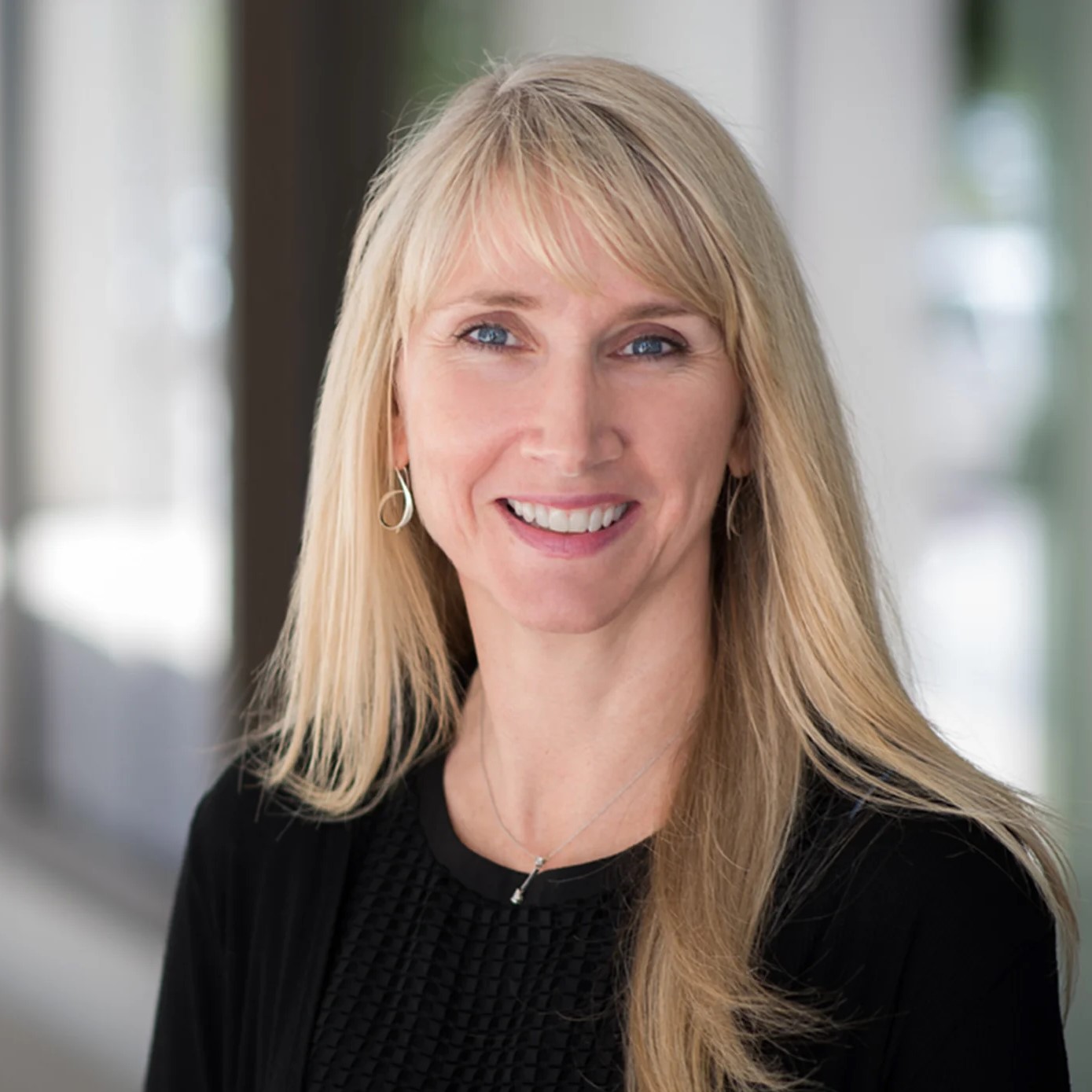
Anita Moon-Grady, MD, director of the UCSF Fetal Cardiovascular Program and an international leader in fetal cardiology, has made a career of advancing earlier, more precise diagnostic strategies and expanding the role of fetal intervention to address these gaps.
Diagnosis as Early as 12-14 Weeks
Standard fetal echocardiography is typically performed between 18 and 22 weeks of pregnancy, and some centers now offer evaluations starting at 16 weeks. The UCSF Division of Pediatric Cardiology is among a small number of programs in the US with the expertise and technology to perform detailed fetal heart evaluations as early as 12 weeks – with nearly 20 years of experience in doing so.
At this stage of pregnancy, the fetal heart is only a few millimeters in size, requiring highly specialized training and imaging techniques to distinguish abnormal anatomy.
"At 20 weeks, families have little time to process and fewer options," says Moon-Grady. "At 12 weeks, we can give families the space and support to understand their baby's condition and make the right decisions for their specific situation."
The program's diagnostic approach extends beyond imaging, integrating genomic and physiologic assessment to better characterize disease and predict outcomes. Genome sequencing, processed rapidly in UCSF labs, can identify genetic factors underlying cardiac conditions, while complete cardiovascular examination helps clinicians assess how a fetal heart is likely to function after birth. Together, these tools enable earlier and more precise diagnosis – often weeks earlier than most programs begin evaluation.
Leading the Way in Fetal Cardiac Care
In certain high-risk cases, early diagnosis enables fetal intervention. When structural abnormalities — such as evolving left heart obstruction — threaten normal cardiac development, acting during pregnancy can alter disease progression and reduce the need for multiple high-risk surgeries after birth.
UCSF is one of the few centers in the world performing these fetal cardiac interventions. Moon-Grady is a founding member of the International Fetal Cardiac Intervention Registry and has played a central role in global efforts to standardize, evaluate, and advance these procedures.
Whether or not fetal intervention is indicated, the cardiology team remains closely involved following diagnosis. They help families weigh their options, and for those who proceed to delivery, they collaborate with neonatal and surgical teams to ensure continuity. The team includes two dedicated nurse coordinators, Kristen Gosnell, RN, MSN, and Amy Gubser, RN, who follow cases from the earliest stages, bringing holistic and long-term insights into disease progression and potential complications.
This continuity is supported by UCSF's integrated pediatric ecosystem, where the Fetal Cardiovascular Program serves as an entry point into a network of specialized care. Through close collaboration with the Pediatric Heart Center, the Fetal Treatment Center, and the Neonatal Cardiovascular Center of Excellence, this model supports patient outcomes that rank among the best nationally, including for highly complex cases.
A National Resource
The expert fetal cardiology team at UCSF serves as a national referral center for the most complex fetal cardiac cases, involving conditions that require early diagnosis, multidisciplinary planning, and coordinated follow-up and delivery.
As fetal cardiac diagnosis continues to advance, new questions are emerging — how to better predict which fetuses will benefit from fetal therapies, how to integrate genomic data into clinical decisions, and how to extend neuroprotective strategies to the prenatal period. The UCSF Fetal Cardiovascular Program and the UCSF Division of Pediatric Cardiology are leading efforts to address these questions.
Learn more about the UCSF Division of Pediatric Cardiology and see how Shabnam Peyvandi, MD, MAS, co-director of the UCSF Fetal Cardiovascular Program, is leading research on how heart defects affect brain development — and what can be done to protect children's cognitive potential.