
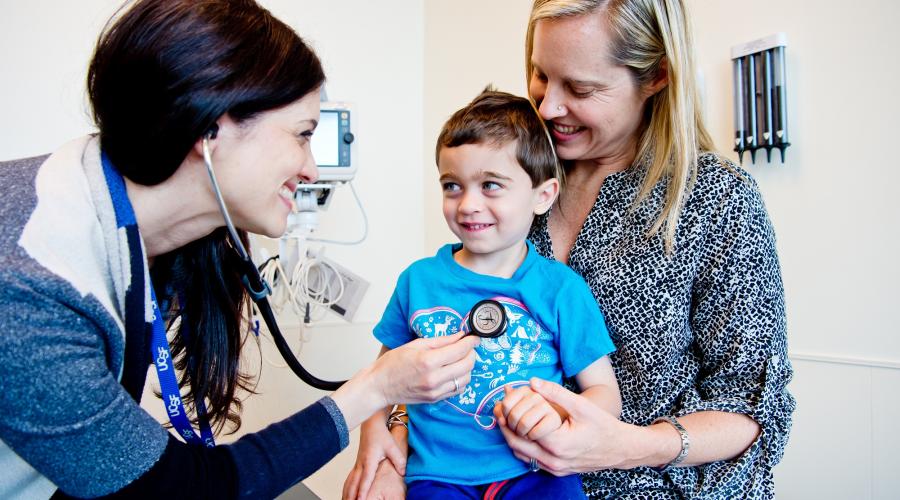
Healing Hearts, Protecting Minds: UCSF Pioneers the "Heart-Brain" Connection
UCSF pioneered many of the surgical and clinical milestones that made survival the expected outcome for infants with complex heart defects. Today, the UCSF Division of Pediatric Cardiology is leading the next evolution: ensuring these survivors lead full, healthy lives.
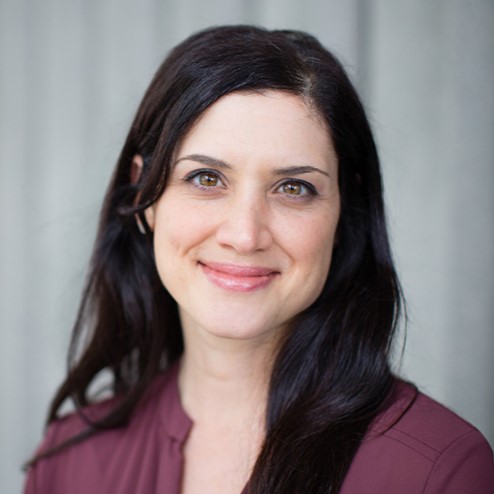
Heading this mission is Shabnam Peyvandi, MD, MAS, who co-leads the UCSF Pediatric Heart and Brain Research Program with Patrick McQuillen, MD. Together with their team, they investigate how heart defects alter brain development and create early interventions to protect a child’s cognitive potential.
"Survival is now our benchmark, but our goal is to help these children truly thrive," says Peyvandi. "Because neurodevelopmental differences often begin in utero, we are moving toward a neuroprotective model of care that prioritizes long-term quality of life."
Predicting Outcomes Before Birth
Congenital heart disease (CHD) is the most common birth defect in the U.S., affecting nearly 40,000 births annually. Identifying which infants are at risk for developmental challenges like ADHD remains a top priority, as over half of children with CHD experience neurodevelopmental difficulties.
In a 2025 study published in the Journal of the American Heart Association, Peyvandi’s team demonstrated that a simple, safe oxygen test — known as maternal hyperoxia — can serve as a powerful predictor of a child's neurological future.
By examining how fetal brain blood vessels respond to oxygen, researchers found that babies with severe CHD who did not show a normal response were significantly more likely to have smaller total brain volumes beginning in utero and a higher risk of postnatal brain injury.
In another study published simultaneously, the group found that smaller total brain volumes directly correlated with poorer language outcomes in toddlerhood, demonstrating the lasting impact of brain health in utero on development.
"Identifying these nonresponders allows us to find high-risk fetuses before birth," says Peyvandi. "From here, we can discover protective interventions that work before birth, including resources for mothers.”
The Bench-to-Bedside Win: Reducing Brain Injury by 20%
While identifying risks in utero prepares the care team, a critical window for protection surrounds a child’s first heart surgery.
Peyvandi helped lead a 20-year study published in the Journal of the American College of Cardiology analyzing brain imaging from nearly 300 newborns. The findings confirmed that improvements in surgery and care reduced post-surgical brain injury by 20%, largely by maintaining higher postoperative blood pressure.
This advancement, now standard at many heart centers, was only possible because UCSF has tracked infant brain health for two decades, turning research data into a life-changing shield.
"These white matter injuries can lead to delays in childhood motor function," adds Peyvandi. "By monitoring with brain scans, we can adjust our clinical approach immediately to safeguard a child's neurological development."
Research-Driven Support for Families
At UCSF, research directly informs specialized programs that support children from the hospital to the classroom:
- The GRAND Program (GRowth And NeuroDevelopment): Delivers bedside developmental care. GRAND encourages parents to hold, feed, and read to their infants in the intensive care unit, boosting brain development and family well-being.
- The Healthy Hearts and Minds Program: Provides long-term follow-up through adolescence, identifies developmental differences early, and acts as a bridge to ensure schools provide necessary accommodations.
“Our commitment to these families doesn't end at discharge,” says Peyvandi. “We partner with parents long-term to ensure every victory won in the operating room is matched by a success story in the classroom and beyond.”
The Next Frontier: Addressing Environmental and Social Risks
Peyvandi’s research is now expanding to investigate factors beyond cardiac anatomy. Ongoing studies suggest that environmental exposures and social determinants of health influence fetal brain growth and the risk of neonatal injury.
"We are learning that factors like parental stress, nutrition, environmental toxins, and the home environment add layers of risk that are often amenable to early intervention," says Peyvandi. By identifying these dangers and ways to mitigate their harm, the team aims to develop holistic strategies that support the entire family unit and help these children have the best possible foundation for a healthy life.
As this work continues to evolve, UCSF Division of Cardiology is redefining what it means to care for children with heart disease — extending expertise beyond the operating room to safeguard a child’s heart and mind for a lifetime.
To see how this care impacts families, watch the story of one family’s journey here.