
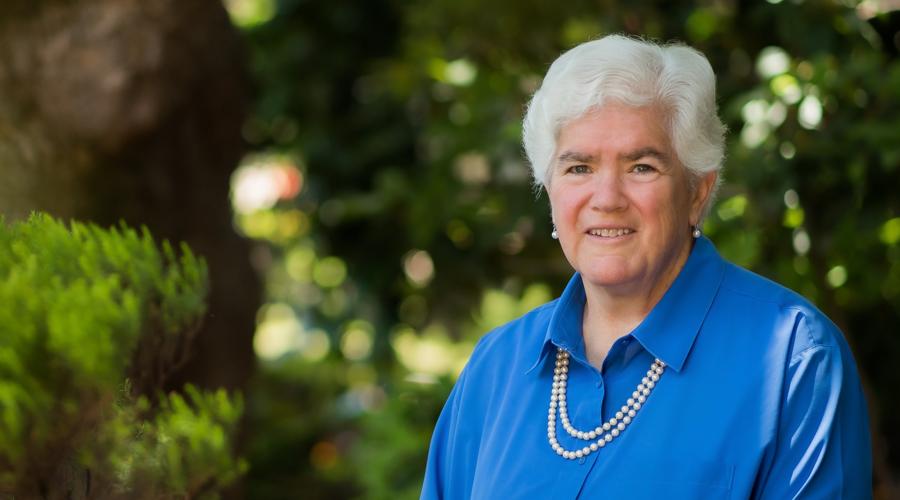
Four Decades of Transformative Care: Dr. Ann Petru’s Commitment to Children with HIV
In the 1980s, as the HIV epidemic unfolded, Ann Petru, MD, cared for the Bay Area's first child with the disease, a newborn exposed through a blood transfusion.
As the crisis grew and more children were diagnosed, Petru founded the Pediatric HIV/AIDS Program at UCSF Benioff Children's Hospital Oakland in 1986 to provide specialized care when none existed. Today, that program remains a crucial lifeline, anchoring the Family Care Network (FCN), a six-agency collaboration that provides comprehensive, wrap-around care for children, young adults, and women affected by HIV today.
We spoke with Petru, an infectious diseases specialist in the UCSF Department of Pediatrics and the program's director for nearly 40 years, about the remarkable progress she’s been a part of, the program’s current community work, and the reward of seeing her patients have healthy children of their own.
A Pioneer in Pediatric HIV Care
How did you first get involved in caring for children with HIV?
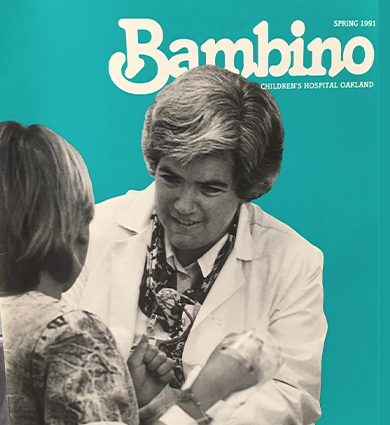
When that first child with transfusion-acquired HIV came to UCSF Benioff Oakland in 1983, there was nothing written about kids having HIV. We didn’t even know what it was or how they got the disease, but the child’s destroyed immune system was similar to what HIV was doing to so many people in San Francisco.
When I first considered medicine, I wanted to care for children whose health was neglected or for whom care was not available. The HIV epidemic meant someone needed to figure out how to provide these children with care, even before specific tests and treatments existed.
Our program has been at the forefront of care advancements ever since, which has shifted my practice to prevention, chronic disease management, and preparing children for adulthood.
Today’s Wrap-Around Care
How have your patients' needs changed, and how do your partnerships today help you solve this new generation of challenges?
The core challenge has always been delivering specialized care. While our early work with the NIH focused on discovering new treatments, our current partnerships through the Family Care Network (FCN) create a system of comprehensive, wrap-around care.
Because there are fewer local experts today, the FCN connects specialized providers, including our program at UCSF, with vital support services to help patients navigate the huge stigma and complex needs that HIV still presents.
This support network includes mental health services, legal assistance from the East Bay Clinical Law Center, and peer support through the group Women Organized to Respond to Life-threatening Diseases.
Supporting a New Generation
What is the goal and hopeful outcome for the patients and families you serve?
With the incredible advancements in treatments, one of our major focuses is successful transitions for adolescents and young adults to full-service adult care.
We recently launched the Lifetime Survivors Study — an idea from our HIV Services Coordinator, Robert Newells-Newton — to reconnect with former patients who are now 20-40 years old. Their feedback is crucial: while our holistic model is considered the gold standard, the move to adult care was described as a “traumatic and abrupt loss of holistic support.”
These findings are leading to new programs, including an adolescent support group, a newsletter with clinical guidance for providers, and a structured forum where we can work with our youth and families to make this complex transition more gradual and manageable.
Our goal is smooth, continuous care that extends to the new families our survivors are creating. We’ve been working with community hospitals throughout Northern California to re-train their provider teams, empowering them to help women with HIV who want to breastfeed.
In the past few years, I've delivered talks on this topic to almost every county in Northern and Central California, with very positive responses.
The Reward for Transformative Work
Looking back, what are you most proud of in your career?
Caring for children with HIV has been an extremely challenging and meaningful career. I am incredibly proud of the teams who worked so diligently with me over the past four decades and for the care we've delivered to so many amazing, courageous patients.
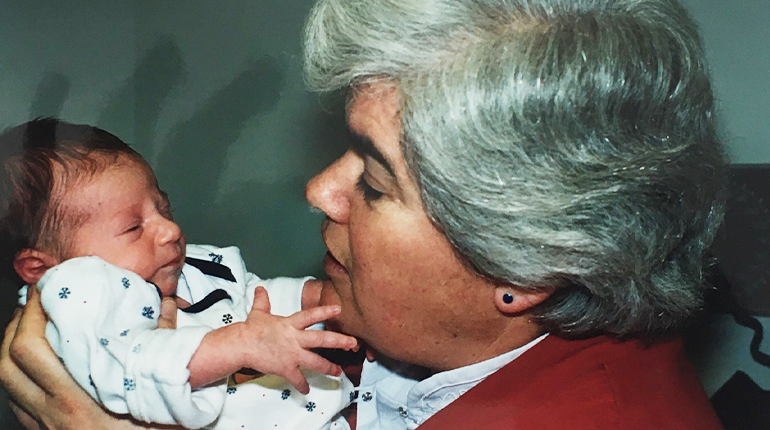
Especially now, seeing those same patients as adults, and even helping them deliver their own beautiful, healthy, HIV-negative infants – that is the most rewarding part!
Petru’s four decades of unwavering commitment have not only transformed thousands of lives but have also shaped the very landscape of pediatric HIV care. Her work, and that of the dedicated team at the UCSF Division of Pediatric Infectious Diseases and Global Health, brings the compassionate care, innovative spirit, and strong partnerships needed to overcome the most daunting health challenges.