
Leading the Way in Pediatric Arrhythmia Care: Protection, Partnerships, and Experience
While a skipped beat or a racing heart in a child might seem harmless in some cases, knowing the difference between benign rhythms and dangerous ones requires specialized expertise. For children with both simple and complex conditions, experience is essential to correctly diagnose and manage arrhythmia issues before they become more serious.
As a leader in the field for decades, the UCSF Pediatric Arrhythmia Center is a destination for families seeking specialized treatment, interventional procedures, and expert second opinions. Clinicians in the Pediatric Arrhythmia Center take a holistic, comprehensive approach to care.
Patients benefit from personal provider relationships, multidisciplinary partnerships, advanced genetics, and expertise in a highly technical field of medicine. This collective effort ensures that the Pediatric Arrhythmia Center provides a level of care few other centers can match.
Handling the Most Complex Hearts
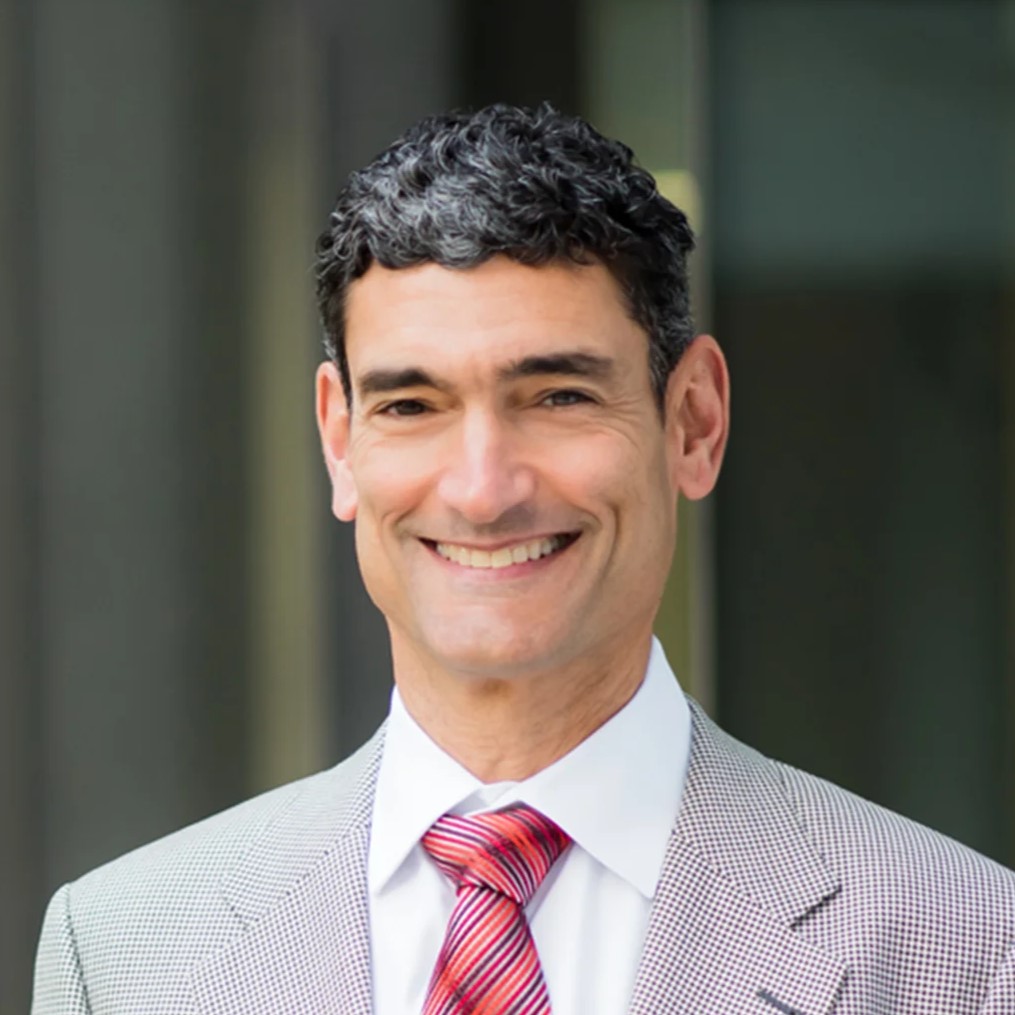
Led by Ronn Tanel, MD, a UCSF pediatric electrophysiologist and director of the Pediatric Arrhythmia Center, the team provides expert care for infants, children, teens, and young adults with cardiac rhythm abnormalities.
Many patients have an isolated condition, but UCSF also provides specialized care for those with complex medical histories or heart rhythm concerns alongside congenital heart surgery. State-of-the-art equipment allows Tanel and his team to conduct detailed arrhythmia evaluations for even our smallest patients.
The Pediatric Arrhythmia Center team partners across other disciplines within the Pediatric Heart Center, UCSF Benioff Children’s Hospitals, and outside referring institutions. Whether it involves utilizing modern imaging modalities, advanced cardiac therapies, or surgical approaches to address rhythm issues, an integrated approach is critical for establishing outstanding results.
"The care of children with arrhythmias and congenital heart disease is a complex endeavor; ongoing expertise is key to success," says Tanel. "We have a team of dedicated nurses, advanced practice providers, and expert colleagues who focus exclusively on this subset of patients."
A Lifetime of Safety
Comprehensive care for Pediatric Arrhythmia Center patients often begins before birth and extends well into adulthood. Early involvement in patient care, including for fetal arrhythmias, provides families with a vital roadmap for what to expect after birth and throughout childhood.
Ultimately, as patients approach their teenage years, the center ensures a seamless transition to living with an arrhythmia diagnosis as an adult. "Because many arrhythmias take decades to appear following childhood heart surgery, we partner with and educate adult providers to screen and safeguard patients for their entire lives,” says Tanel, who is also board-certified in Adult Congenital Heart Disease.
Genetics to Clarify Treatment Plans
UCSF is one of the few centers nationwide to offer a pediatric Inherited Cardiac Arrhythmias Program (ICAP), a specialized service that leverages unique expertise in cardiovascular genetics to manage inherited heart rhythm disorders, like long QT syndrome.
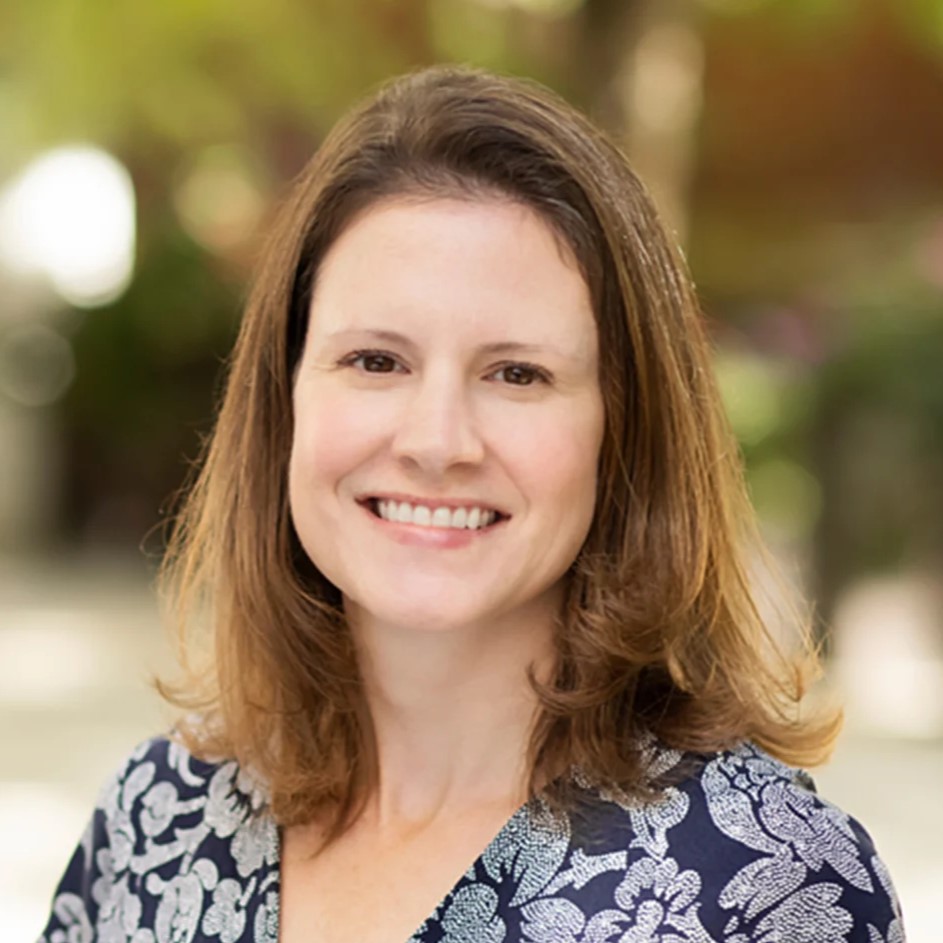
Karyn Austin, MD, PhD, a pediatric electrophysiologist and director of the pediatric ICAP, uses advanced genetic insights to guide personalized care.
“For example, identifying a specific mutation in the sodium channel gene, SCN5A, allows us to determine which therapies will be most effective for that child,” she explains.
In addition to clinical care, ICAP equips families with personalized slide decks that explain their child's specific genetic mutation. The team coordinates directly with coaches and primary care providers to ensure the child is safe from the classroom to the playing field.
"This support forms our foundation of care and allows families to focus on being a family, rather than being overwhelmed by the complexities of a genetic diagnosis," says Karyn Austin.
A Mission for Community Safety
The center’s impact extends beyond the clinic walls through a partnership with Project ADAM, a national organization dedicated to preventing sudden cardiac arrests in schools. UCSF helps local schools achieve “Heart Safe” designations through education and emergency planning.
The importance of this work was recently highlighted when a local school, trained by UCSF, successfully resuscitated a visitor who collapsed in the gym.
"When a school is equipped with the right tools and training, they can turn a potentially tragic collapse into a story of survival," says Tanel.
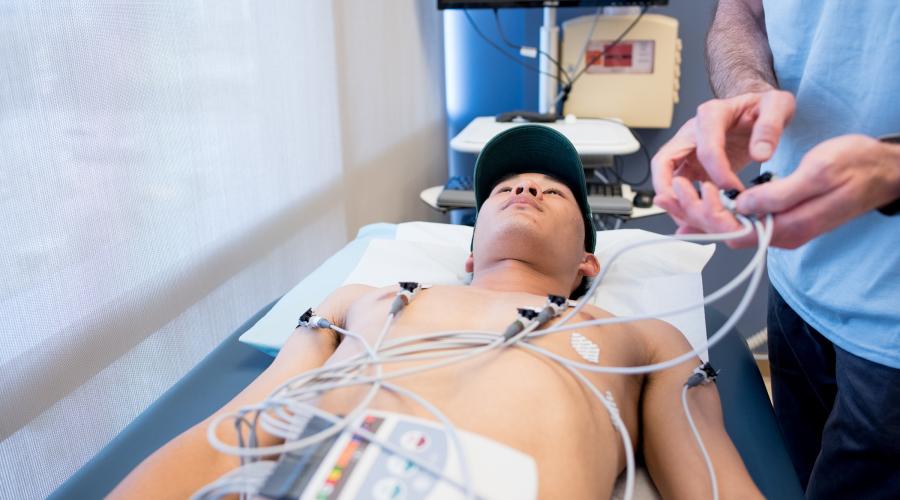
Tanel and Austin also routinely participate in Play Safe, an annual screening for local high school athletes prior to the start of team practice. By conducting ECG evaluations, it is possible to identify underlying cardiac risks before they lead to an acute event on the field.
Protecting a Child’s Future
At the UCSF Pediatric Arrhythmia Center, genomic insights, lifelong continuity, and community safety initiatives serve a single purpose: ensuring long-term heart health so children can focus on simply being kids.
"Our program emphasizes family-based care," says Tanel. "We consider the many aspects, both medical and non-medical, of caring for these often very complex patients."
By combining technical expertise with a lifelong commitment to safety and support, the UCSF Division of Pediatric Cardiology is safeguarding the hearts — and the futures — of the next generation.