
From Mystery to Medicine: How Rapid Genomics is Rewriting the Story for UCSF’s Sickest Newborns
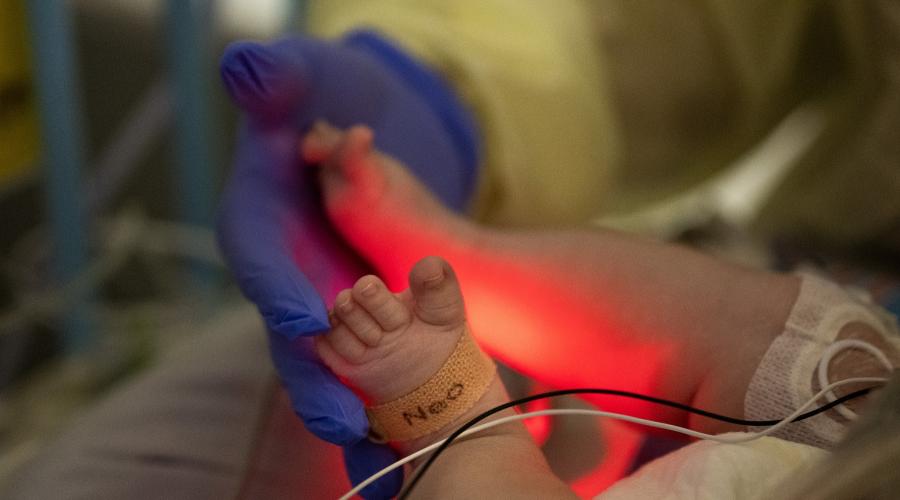
For some of the most critically ill infants in the Intensive Care Nursery (ICN), standard treatments aren’t always enough.
When conventional medicine hits a wall, the UCSF Division of Neonatology moves beyond managing symptoms to search for an underlying genetic cause.
Historically, families waited months for genetic results while their newborns remained in crisis. Today, that timeline has been shattered. By combining rapid Whole Genome Sequencing (rWGS) with world-class collaborations to act on the findings, the UCSF Department of Pediatrics can deliver life-saving, targeted treatments within 1-2 weeks.
The Power of Internal Precision
Unlike hospitals that send genetic samples to external commercial labs, UCSF integrates genomics directly into the clinical setting. Our internal lab allows neonatologists to order tests directly from the bedside.
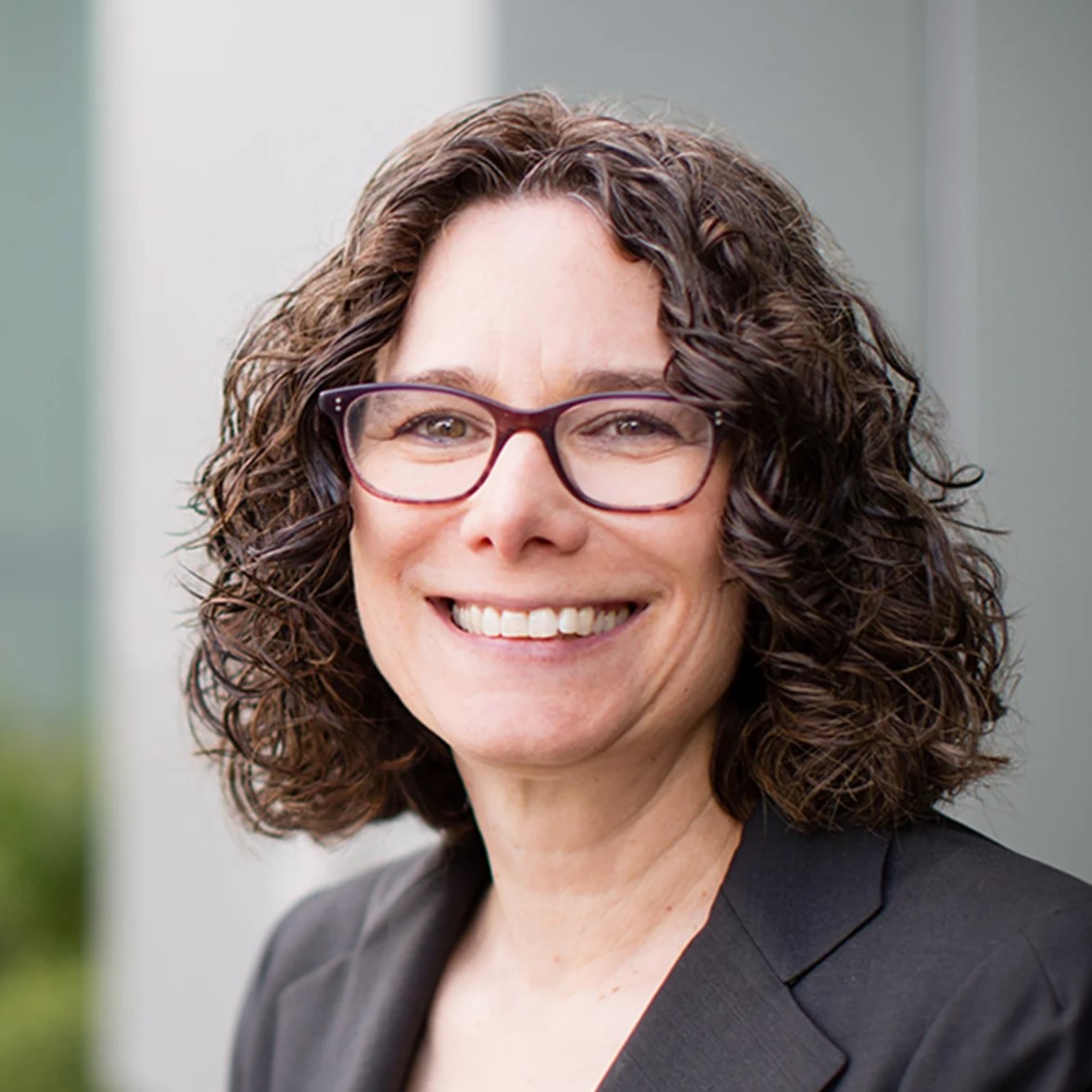
"It’s not just the turnaround time of the test," explains Roberta Keller, MD, a neonatologist at UCSF who leads the neonatal rWGS program. "It’s about being able to manage the entire process internally — from consenting the family to providing the information that can help identify what is meaningful in that massive amount of data."
One of the most powerful tools in this process is "trio sequencing," which tests the baby and both parents simultaneously. This allows the team to quickly filter out harmless variations inherited from healthy parents. Trials have shown that rWGS changes medical care for more than 25% of critically ill infants with a suspected genetic condition.
From Discovery to Treatment
This speed is vital for treating RASopathies — a group of genetic syndromes (including Noonan, Costello, and CFC syndromes) that disrupt a particular molecular pathway governing cell growth. These conditions can be fatal in newborns, causing a wide range of symptoms including abnormal skull development, heart failure, endocrinopathies, and severe lymphatic leaks.
Because these pathways are also involved in certain types of cancer, Keller and the UCSF Department of Pediatrics have built a unique collaboration to treat them, bringing together:
- Neonatology: Providing the home base and intensive care in the ICN.
- Oncology (Russell Valle, MD, MS, and Elliot Stieglitz, MD): Experts in RASopathies and the use of targeted drugs to treat those disorders.
- Cardiology (Othman Aljohani, MD, MPH): An expert in managing infants and children with advanced heart failure that often accompany these syndromes.
Precision in Practice: Saving Lives
With a genetic diagnosis in days, the team can initiate targeted therapies — such as MEK inhibitors that target the RAS pathway — once reserved for oncology wards.
"These medications aren’t usually used in the ICN," says Keller. "But, when standard treatments fail, these targeted drugs can be transformative."
The impact of this approach is best seen through two patients the team recently cared for:
- One infant had persistent and potentially fatal lymphatic drainage where standard medications had no effect. After rWGS identified a genetic variant for Noonan syndrome, the team initiated a MEK inhibitor. Within just two doses, the baby saw a dramatic response, the drainage dried up, and they were eventually able to go home.
- Another baby, born with Costello syndrome, faced a tenuous combination of heart dysfunction and dangerously low blood sugar. "Standard treatments were limited due to potential side effects on the lung that the patient likely wouldn’t tolerate," Keller recalls. With a clear genetic roadmap, the team was able to calibrate a precise dose of MEK inhibitors that stabilized her heart and blood sugar, allowing her to thrive.
A One-of-One Approach
"These patients are unique in the complexity of symptoms they’re facing," says Keller. "Genetic testing allows us to find exactly what their specific underlying issue is, giving us a new way to treat it directly."
For neonatologists, this technology and the resulting collaboration represent a fundamental shift in the standard of care. By combining the speed of rWGS with targeted therapies and around-the-clock monitoring in the ICN, UCSF provides a level of personalized intervention previously thought impossible for newborns.
By normalizing rapid genomics, UCSF is ensuring that for the sickest newborns, a genetic diagnosis is no longer the end of a long search — it is the beginning of a coordinated, evidence-based path toward a cure.