
UCSF Pioneers Personalized Cures for Children with Rare and Complex Cancers
Traditional cancer treatment in children is largely determined by a tumor’s location and the amount of chemotherapy the child can tolerate — an approach that can leave children with rare or resistant cancers with limited, often highly toxic options.
The UCSF Division of Pediatric Oncology is a national leader in shifting that focus to the genetic "instruction manual" of individual tumors. Through the Pediatric Precision Cancer Medicine Program, UCSF pediatric oncologists are using state-of-the-art sequencing technologies to identify the specific mutations driving a child’s cancer to inform treatments that are more effective and less toxic than standard therapies.
One parent of a three-year-old patient recalls how this program changed their lives: “Our son endured several rounds of chemotherapy before we found out his tumor had a genetic resistance to that treatment. As a result, we could pivot to an active treatment plan that the tumor responded to. We were able to stave off metastatic disease and get him the transplant surgery that saved his life. Today, he is cancer-free.”
The Power of the UCSF500
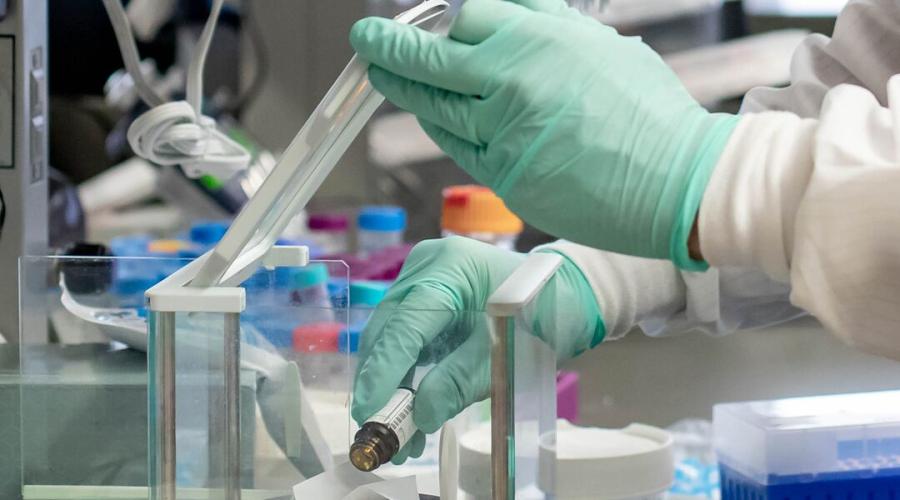
The cornerstone of the program of this internationally renowned program is the UCSF500 Cancer Gene Panel, a specialized test developed by UCSF scientists and clinicians that sequences over 500 genes associated with solid tumors and blood cancers. By comparing a tumor’s DNA with a child’s normal DNA, the test allows clinicians to pinpoint the specific mutations driving the cancer — revealing treatment opportunities that standard tumor-only tests can miss.
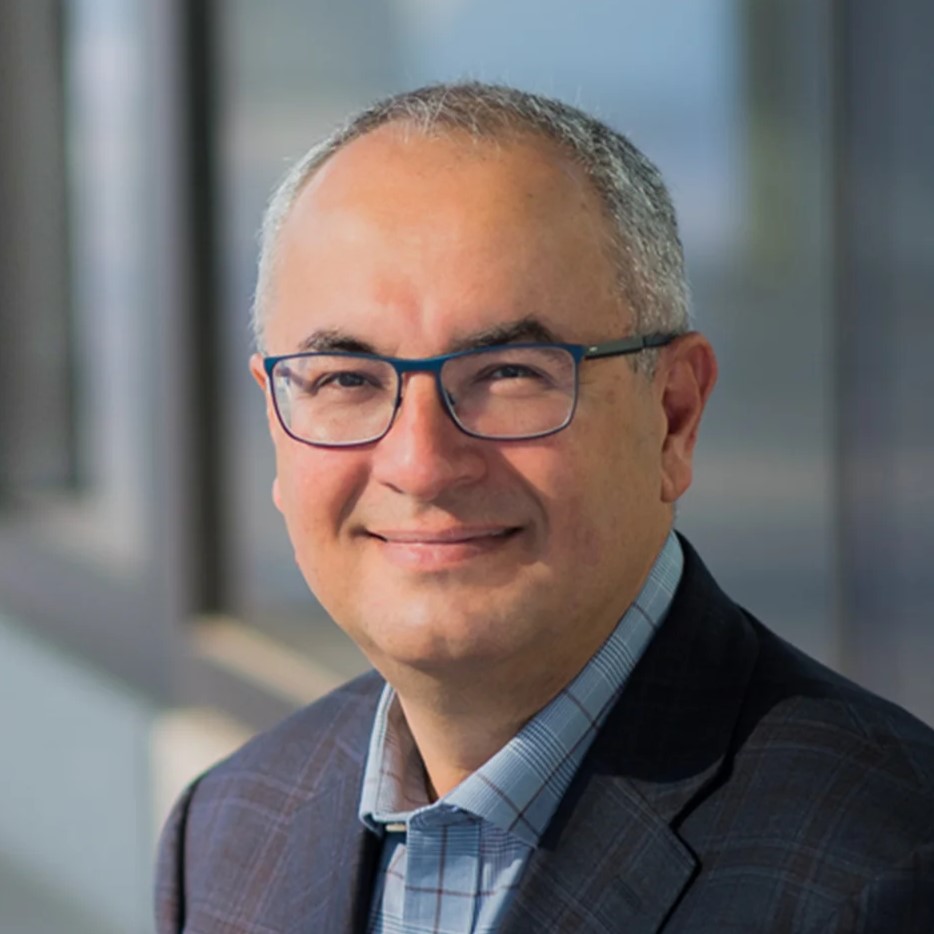
"We aren't just looking for what type of cancer it is," says Alejandro Sweet-Cordero, MD, a pediatric oncologist and director of the UCSF Molecular Oncology Initiative. "We are looking for the 'Achilles' heel' of that specific tumor — the exact genetic mutation that we can target with specific drugs.”
The UCSF500 assay looks not only at DNA but also at RNA, providing clinicians caring for some of the sickest patients with better tools for diagnosis and treatment. UCSF is one of few facilities in the world to offer this type of dual DNA/RNA comprehensive profiling, and referrals for the test come from around the world.
The dual approach identifies if a cancer was a random occurrence or if there is an underlying genetic predisposition, providing vital information for the entire family.
Translating Data into Care
Genetic data is only as valuable as the experts who interpret it. UCSF500 results are reviewed by the Molecular Tumor Board (MTB), a group that brings together experts in genetics, genomics, pharmacology, and oncology to translate the complex genetic findings into personalized clinical recommendations.
The board acts as a multidisciplinary "brain trust," bringing together pediatric oncologists, including Beth Apsel Winger, MD, PhD, and Marie Jaeger-Krause, MD, alongside molecular pathologists, geneticists, and bioinformaticians. This collaboration ensures that children with rare, high-risk, or resistant cancers receive a strategy tailored specifically to their tumor's genetic signature. Following each meeting, the team provides the requesting oncologist with a report detailing targeted therapies or available clinical trials.
Access to Tomorrow’s Treatments
Genetic insights of this level are especially powerful at UCSF, the only hospital in Northern California selected as a core site in the National Cancer Institute’s Pediatric Early Phase Clinical Trials Network. This designation gives patients access to promising therapies not available at most other centers.
"For many of our patients, the UCSF500 is a bridge to the future," says Sweet-Cordero. "It allows us to offer therapies that didn't exist five years ago, often through our partnership with the NCI or through our own internal drug development programs."
A Future Without "One-Size-Fits-All"
The goal of the Pediatric Precision Cancer Medicine Program is to move away from the relatively rigid approach of traditional chemotherapy, especially when clinicians are handling rare or resistant cancer varieties.
By leveraging the molecular drivers of cancer, the UCSF Department of Pediatrics is working toward a future where every child with cancer receives a treatment plan unique to the underlying genetic cause.
"We are at a turning point in pediatric oncology," Sweet-Cordero adds. "Precision medicine is becoming the new standard of care for children with difficult-to-treat cancers, bringing cures to those who would otherwise be out of options."
How to Access Precision Cancer Care
Clinicians can order the UCSF500 test by contacting the UCSF Clinical Genomics Laboratory at [email protected]. To refer a patient for consultation or treatment, please call (877) UC-CHILD or visit our program website.