
When Teens with Obesity and Diabetes Lose 60 Pounds on GLP-1s, What Are They Actually Losing?
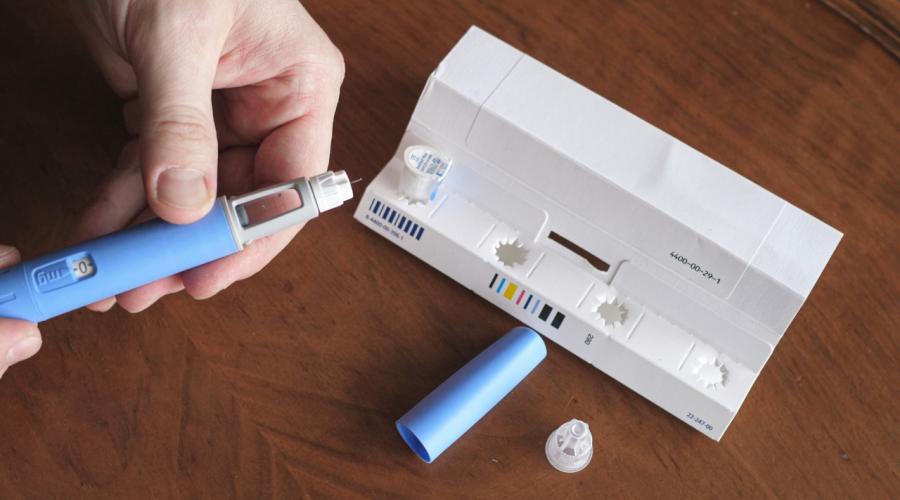
For adolescents with type 2 diabetes (T2D), GLP-1s are changing what once seemed possible. Some are losing 60 to 80 pounds within a year – weight loss once seen almost exclusively after bariatric surgery.
But one question remains unanswered: what are they actually losing?
Adolescence is a critical window for building muscle that supports insulin sensitivity, bone development, and physical strength. Weight loss alone, however, doesn't distinguish fat from muscle. As GLP-1s become increasingly common among adolescents with obesity and T2D, the answer matters more than ever.
To answer that question, Sujatha Seetharaman, MD, MPH, assistant professor in UCSF's Division of Pediatric Endocrinology, is leading a new study funded by a K23 Career Development Award from the NIH. The ABCD T2D Study (Assessment of Body Composition and Disordered Eating in Adolescents with T2D on GLP-1 RAs) will track body composition, muscle mass, strength, and eating behaviors in 50 adolescents newly starting semaglutide for obesity and T2D.

Why Weight Alone Isn't the Right Measure
During her obesity medicine fellowship at Massachusetts General Hospital, Seetharaman noticed something unexpected. Patients with similar amounts of weight loss had very different outcomes. Some experienced dramatic metabolic improvement. Others lost the same amount of weight with far less benefit.
"Weight and BMI alone couldn't explain that difference," she says. "We know that beta-cell function – how well the pancreas produces insulin – is critical in T2D, but body composition is also a key part of the picture: where fat was stored, how much skeletal muscle a patient preserves, and how these differences relate to pancreatic beta-cell function."
The ABCD T2D Study uses MRI to measure fat distribution throughout the body and assess muscle volume. A complementary technique, called D3-creatine dilution, estimates total skeletal muscle mass.
Together with strength and function testing, these measurements let Seetharaman's team see whether adolescents on GLP-1s are keeping the muscle mass and strength that matter most during this stage of growth.
An Overlooked Risk: Disordered Eating
Adolescents with obesity and T2D already face weight stigma, on top of managing a complex, demanding disease. GLP-1s add another layer: the drugs suppress appetite and drive rapid weight loss, and Seetharaman worries that the combination could unmask or worsen eating-disorder symptoms in adolescents who are vulnerable.
That concern stems from Seetharaman’s experience treating adolescents with atypical anorexia nervosa, an eating disorder characterized by similar restrictive eating behaviors and medical complications as anorexia nervosa but occurring in individuals in the overweight or obesity range. She’s seen some patients with overweight or obesity lose more than 100 pounds in a few months, sometimes requiring hospitalization for dangerously low heart rate and blood pressure.
"Their weight loss was often praised early on, which could have reinforced increasingly restrictive eating and a growing preoccupation with weight and body shape," Seetharaman says.
Warning signs aren't always visible in a routine visit. The study will screen for eating attitudes and internalized weight stigma, aiming to identify adolescents who need extra support, without losing the treatment's real benefits.
Why UCSF Is Positioned to Answer This Question
Few institutions could run a study like this. UCSF cares for a large, diverse population of adolescents with obesity and T2D across San Francisco and Oakland, with advanced body composition tools to look beyond weight and BMI.
That breadth extends to Seetharaman's mentoring team, including primary mentor Stephen Gitelman, MD, an internationally recognized clinical trialist in pediatric diabetes, and Shylaja Srinivasan, MD, MAS, who directs the pediatric T2D program at UCSF. Andrea Garber, PhD, RD, an NIH-funded expert in nutrition and adolescent eating disorders, advises on the study's aims regarding disordered eating and weight-loss trajectories.
As GLP-1s become part of routine care for adolescents with obesity and T2D, physicians will increasingly need to look beyond the number on the scale. “The goal isn't just weight loss,” Seetharaman says. “It's health – preserving the muscle adolescents need for growth and lifelong metabolic health.”
Learn more about UCSF's Division of Pediatric Endocrinology and its research into pediatric diabetes and metabolic health.